

Häufige Fragen
CLEW ist eine deutsche Snowboardmarke und ein patentiertes Step-in-Bindungssystem der CLEW GmbH aus München. Anders als andere Schnelleinstiegssysteme funktioniert die CLEW Bindung mit handelsüblichen Snowboardboots — es gibt keinen proprietären CLEW-Boot. Das aktuelle Modell heißt Independence, wurde seit 2017 anhand von mehr als 40 Prototypen weiterentwickelt und ist bereits die 3. Modellgeneration auf dem Markt. Seit der Markteinführung 2019 verzeichnet CLEW einen stetig wachsenden Marktanteil mit weltweit über 100.000 Kunden in mehr als 40 Ländern.
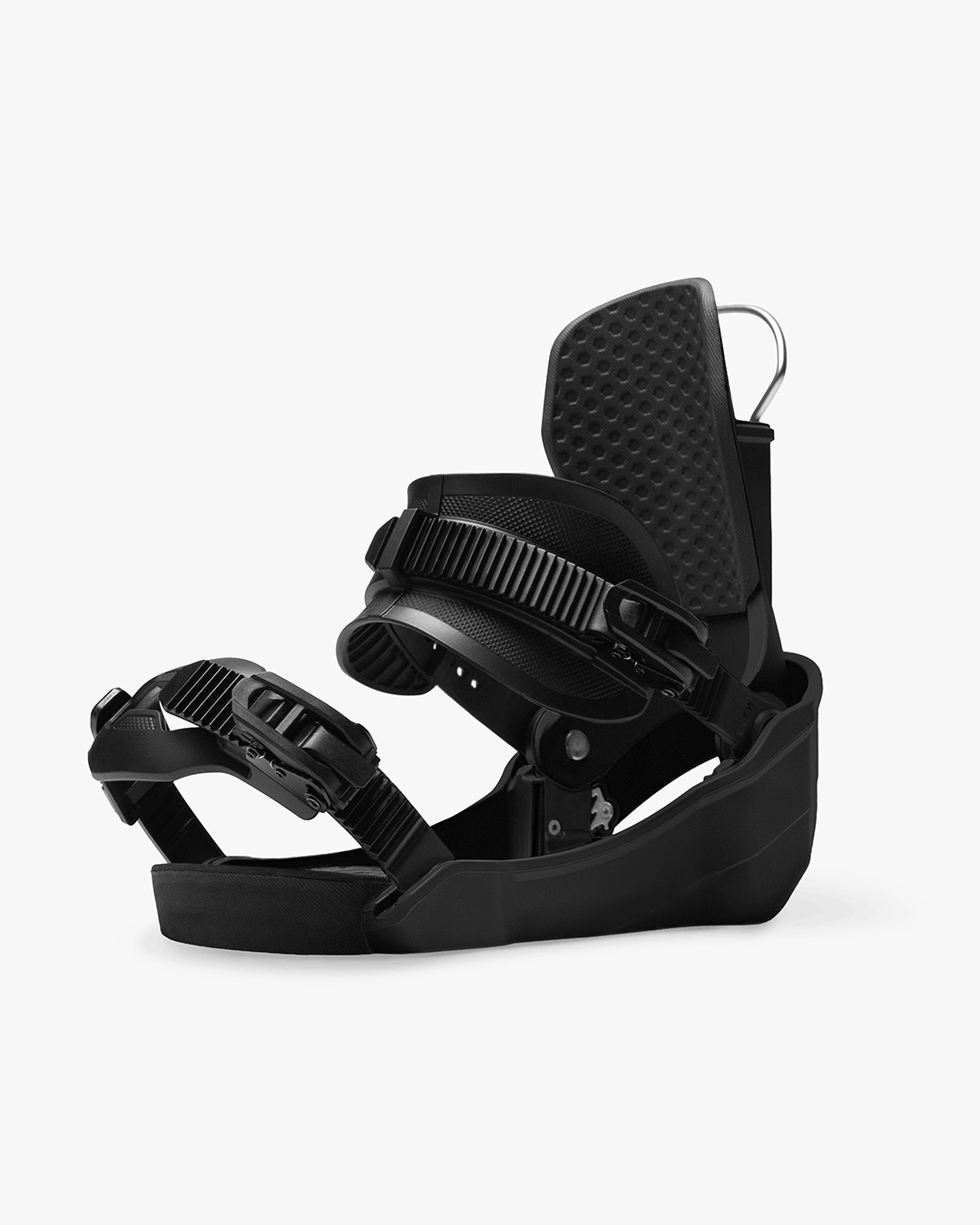
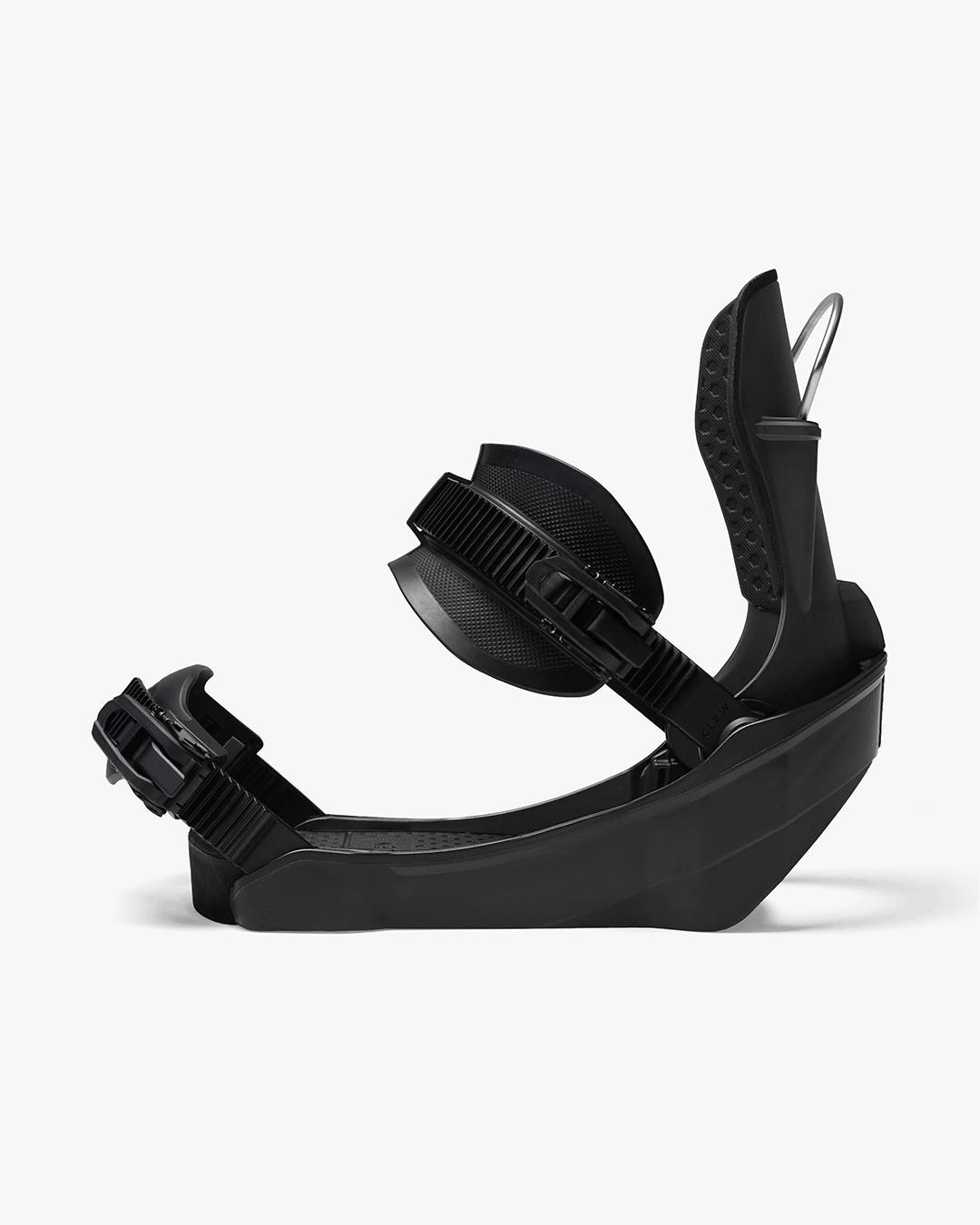
Das System trennt die Bindung in zwei Teile: Die Highback-Einheit bleibt am Boot, die Baseplate bleibt am Board. Du steigst ein, das System verriegelt — ohne Hinsetzen, ohne Ratschen. Die Bindungen werden in Deutschland gefertigt, die CLEW-Boards in Österreich.
CLEW funktioniert mit nahezu allen handelsüblichen Softboots — Burton, Nitro, Deeluxe, ThirtyTwo, Salomon, Vans, Adidas, Ride, K2 und andere. Es gibt keinen eigenen CLEW-Boot und keine Bindung an eine Bootmarke. Entscheidend ist nicht der Hersteller, sondern ob insbesondere der Fersenbereich des Boots geeignete Dimensionen hat.
Unsicher? Schau dir am besten unseren Size Guide auf der Produktseite der Bindung an und vergleiche die angegebenen Außenmaße mit deinem eigenen Boot. Size Guide
Der zentrale Unterschied ist der Boot und die Straps. Burton StepOn funktioniert ausschließlich mit Burton StepOn-kompatiblen Boots — du kaufst das System, nicht nur die Bindung. CLEW funktioniert mit nahezu jedem handelsüblichen Softboot, auch dem, den du wahrscheinlich schon besitzt. Technisch verbindet StepOn Boot und Bindung über drei Cleats (Rastelemente außen am Boot) und ohne Straps; CLEW behält Ankle- und Toe-Strap und trennt stattdessen einen Teil der Bindung vom Board.
Wann CLEW die bessere Wahl ist: Wenn du deinen Boot behalten willst. Wenn du das herkömmliche Fahrgefühl mit Straps willst. Wenn du verschiedene Boots benutzen oder dich nicht an eine Bootmarke binden möchtest. Wenn du echte Straps willst, die du werkzeuglos und passgenau auf deinen Fuß justieren kannst, anstatt einer festen Drei-Punkt-Verbindung.
Beide Systeme funktionieren mit handelsüblichen Boots — das ist die Gemeinsamkeit. Der Unterschied liegt im Gewicht und im Einstiegsweg. Die Supermatic-Bindung wiegt rund 1.270 g und gehört damit zu den schwersten Bindungen am Markt. Die CLEW Independence wiegt bereits in der Standardausführung lediglich 950 bis 1.010 g und ist über 20 % leichter als das PreRider-Modell aus 2019. Die Supermatic ist ein Rear -Entry-System mit ausklappendem Highback, CLEW trennt für die Liftfahrt die Highback-Einheit vom Board.
Wann CLEW die bessere Wahl ist: Wenn Gewicht und Performance zählen und wenn du volle, werkzeuglose Strap-Justierung willst, ohne dass der Schnelleinstieg darunter leidet. Der Unterschied ist bei anspruchsvollem Fahren und insbesondere über einen langen Tag deutlich spürbar.
FASE ist kein Step-in-System, sondern eine modifizierte Zwei-Strap-Bindung mit beschleunigtem Einstieg. FASE ist außerdem keine eigene Bindung, sondern eine Technologie, die in Modelle verschiedener Marken lizenziert wird. CLEW entwickelt, fertigt und verantwortet die komplette Bindung selbst, in Weilheim in Bayern.
Wann CLEW die bessere Wahl ist: Wenn du beim Ein- und Ausstieg aus der Bindung von dem zweiteiligen Prinzip profitieren möchtest — nicht schneller ratschen, sondern gar nicht mehr ratschen bzw. Bücken musst, ein bequemerer Ausstieg und kein Highback, das während der Liftfahrt oder beim Step-in im Weg ist. Entscheide dich außerdem für CLEW, wenn du eine Bindung willst, bei der Entwicklung, Fertigung, Ersatzteile und Kundenservice in einer Hand liegen.
Nein, CLEW-Bindungen frieren nicht ein. Der Mechanismus arbeitet zuverlässig bei Eis, Powder und Temperaturen bis −30 °C. Vereisung war das größte technische Problem der Step-in-Systeme der 90er-Jahre und der Grund, warum sie vom Markt verschwanden. Es zu lösen hat das Entwicklerteam von CLEW zwischen 2017 und 2019 über zehn Prototypen gekostet.
Das Vereisungsproblem entsteht, wenn Schnee bzw. Wasser zwischen mechanische Komponenten eindringt, schmilzt und wieder gefriert. Der überarbeitete Step-in-Mechanismus der Independence ist so konstruiert, dass es in keinem Bereich des Mechanismus zu einem direkten Flächenkontakt kommt, bei dem komprimierter Schnee entsteht oder sich Eis bilden kann. Zusätzlich sind die federnden Rasthaken durch eine spezielle Gehäusefettung, ähnlich wie bei alpinen Skibindungen, geschützt. Kurz: Eingedrungener Schnee blockiert die Verriegelung nicht und Eisbildung ist in den kritischen Bereichen ausgeschlossen.
Was du trotzdem tun solltest: Grobe Schnee- und Eisbrocken vor dem Einstieg abklopfen. Das gilt für jede Bindung, auch für konventionelle Riemenbindungen.
Im Tiefschnee ja — der Mechanismus ist ausdrücklich für Powder, Eis und extreme Kälte ausgelegt. Am Steilhang wird es anspruchsvoller, und das gilt für jedes Schnelleinstiegssystem am Markt. Wer am 35-Grad-Hang einsteigt, braucht bei allen Systemen eine stabile Standposition oder kann optional auf das 2-Ratschen-System zurückgreifen.
Ehrlich gesagt: Der große Vorteil von Step-in liegt nicht am Steilhang, sondern an der Liftausfahrt, im Flachstück, bei Kälte und über einen ganzen Tag gerechnet. Zwanzig bis vierzig Aus- und Einstiege, bei denen du dich nicht tief bücken oder in den Schnee setzen musst, summieren sich.
Im tiefen Powder empfiehlt es sich, die Baseplate kurz vom schnee zu befreien — genau wie du es bei einer Riemenbindung mit dem Fuß tun würdest.
Die Step-in-Systeme der 90er scheiterten an drei Punkten: Vereisung, unzureichende Kraftübertragung und fehlende Einstellbarkeit. Die CLEW Independence löst alle drei. Der Mechanismus arbeitet bis −30 °C, die Bindung hat 2,5° Performance-Canting und voll justierbare Ankle- und Toe-Straps mit werkzeugloser Feinjustierung.
Der grundlegende Unterschied ist konstruktiv: Die 90er-Systeme wollten Bindung und Boot über starre Cleats verbinden und opferten dafür Flex und Anpassbarkeit. CLEW behält die Strap-Architektur einer klassischen Bindung — du bekommst denselben Halt und dieselbe Justierbarkeit, nur ohne das ständige Öffnen und Schließen der Ratschen.
Dazu kommt Material: Die Independence nutzt eigens entwickelte Hochleistungskunststoffe mit ultradünnen Langglasfasern. Ergebnis: Über 20 % leichter als das erste CLEW-Modell von 2019, 11 % leichter als die Freedom 1.0 und in den am stärksten belasteten Bereichen bis zu 15 % stärker als das Vorgängermodell.
Ja, die Strap-Einheit bleibt während du snowboardest am Boot. Sie wiegt 431 g pro Fuß. Beim Laufen und Liftfahren spürst du sie überhaupt nicht. Die Sohle bleibt vollständig frei, du gehst normal.
Das Gesamtsystem ist beim Tragen des Boards deutlich leichter als jedes andere Bindungssystem, wo die komplette Bindung am Board verbleibt.
Zwei Effekte, die viele unterschätzen: Der flache Absatz unter der Schuhsohle stört beim Gehen im Schnee überhaupt nicht. Das war schon beim allerersten Prototyp 2017 das überraschendste Ergebnis. Die CLEW Sohle besteht aus dem gleichen Material, das auch bei herkömmlichen Snowboardboots verwendet wird, und bietet dadurch ein gewohntes Laufgefühl. Ein weiterer großer Vorteil: Das am Schuh getragene Highback macht das Board extrem leicht zu tragen und zu greifen. Beim Wiedereinstieg ist das Highback niemals im Weg und ragt auch nicht über die hintere Boardkante hinaus. So kannst du jederzeit direkt einsteigen.
Eine CLEW Independence wiegt ca. 989 g pro Bindung in Größe M — davon entfallen 558 g auf die Baseplate am Board und 431g auf die Highback-Einheit am Boot. Damit ist sie gesamte Bindung über 20 % leichter als das erste CLEW-Modell von 2019 und 11 % leichter als die Freedom 1.0 aus der Saison 24/25.
Möglich macht das der Materialmix: eigens entwickelte Hochleistungskunststoffe, verstärkt mit ultradünnen Langglasfasern. Trotz des geringeren Gewichts ist die Independence in den am stärksten belasteten Bereichen 15 % stärker als die Freedom 1.0.
Weight Overview
CLEW-Bindungen werden in Weilheim in Oberbayern gefertigt— Made in Germany. CLEW-Snowboards werden seit Sommer 2026 in Österreich produziert.
Ja. Die CLEW Independence verriegelt über einen besonders robusten Step-in-Mechanismus und öffnet ausschließlich durch bewusstes Auslösen durch den Zuggriff auf Wadenhöhe. Der passgenaue Halt am Boot entsteht über Ankle- und Toe-Strap — dieselbe Architektur wie bei einer klassischen Riemenbindung. Das System ist seit 2019 am Markt, weltweit über 100.000 Fahrer nutzen es, und es hat über 40 Entwicklungsstufen hinter sich.
Die Sorge stammt aus den 90ern, als frühe Step-in-Systeme tatsächlich unzuverlässig waren. Der Unterschied liegt in der Konstruktion: CLEW verriegelt nicht über starre Cleats am Boot, sondern behält den Strap-Aufbau bei. Für die Liftfahrt kann das Highback durch einen schlanken und vereisungsfreien Mechanismus von der Baseplate getrennt werden und bis zum Wiedereinstieg komfortabel am Boot verbleiben.
Der Einstieg dauert nach der Eingewöhnung rund 1.2 Sekunden pro Fuß — aufsetzen, einrasten, losfahren. Zum Vergleich: Eine konventionelle Riemenbindung kostet dich 20 bis 30 Sekunden pro Fuß plus tiefes Bücken oder Hinsetzen und Aufstehen. Auf einen Snowboardtag mit 20 bis 40 Abfahrten gerechnet sind das mehrere Minuten weniger. Der eigentliche Gewinn ist aber nicht die Sekunde. Es ist ab Tag 1 der „süchtig machende Komfortgewinn“ der sich aus der maximal ergonomischen Bauweise derCLEW Bindungergibt.
Ja, und Anfänger profitierenteils sogarüberdurchschnittlich. Wer noch nicht sicher fährt, steigt am Tag zwanzigmal oder öfter aus und ein — jedes Mal hinsetzen, ratschen, aufstehen. Genau dieser Teil kostetvielKraft und Motivation, nicht das Fahren selbst.
Ja, CLEW Bindungen – und insbesondere die neue Independence-Generation seit 2026 – funktionieren auch sehr gut für Park und Freestyle.
CLEW ist zwar nicht primär für den Funpark entwickelt, aber es gibt dennoch professionelle Athleten aus dem FIS-Weltcupbereich, die bewusst auf die Vorteile der CLEW Bindung setzen. Auf dem Markt gibt es eine Vielzahl an Wettbewerbern, die primär auf die Funpark-Szene abzielen. Wiederum die große Mehrheit davon verwendet hochflexible Highbacks und weiche Dämpfungspads, um z.B. bei der Landung von Sprüngen oder harten Stößen eine vermeintlich bessere, dämpfende Wirkung zu erzielen. Doch die Dämpfung der Bindung an sich ist nicht das Entscheidende. Das Dämpfungsverhalten ist ein komplexes Zusammenspiel aus Boot, Bindung und Board – daher sollte eine gute Bindung nicht mehr Dämpfung haben als unbedingt nötig. Andernfalls könnte das Fahrgefühl sehr schnell zu schwammig werden. Vor diesem Hintergrund wurde die CLEW Bindung bewusst etwas steifer und mit weniger Dämpfungselementen ausgestattet — für eine direktere und präzisere Kraftübertragung und dadurch mehr Kontrolle auf der Piste, im Tiefschnee und beim Carven. In der jüngeren Vergangenheit hat sich gezeigt, dass auch im Freestyle Bereich steifere Bindungen die Performance verbessern können. Letzten Endes bleibt es jedoch eine persönliche Geschmacksentscheidung.
Ja, CLEW-Bindungen sind mit allen gängigen Montagesystemen kompatibel: 4×4, 2×4 und The Channel von Burton. Für ältere Boards mit 3D-Lochbild gibt es das passende 3D Mounting Set, welches du beim Kauf optional mitbestellen kannst.
Die passenden Universal-Discs für die drei aktuell gängigen Systeme sind im Lieferumfang aller Bindungen und 2nd Board Base Sets enthalten. Bitte achte darauf, dass Discs, Schrauben und Zubehör modellspezifisch sind: Teile der Freedom 1.0 passen nicht auf Modelle der Independence-Generation und umgekehrt.
Unsicher? Fotografiere dein Lochmuster auf dem Snowboard und Frage unseren Support auf support@clew.de.
Nein, CLEW-Bindungen sind aktuell nicht fürSplitboardsausgelegt. Das System istfürdie Montage auf einem durchgehenden Board konstruiert;Splitboard-Interfaces mit Puck-System werden nicht unterstützt. Für den Aufstieg brauchst du ein dediziertesSplitboard-Setupoder Alternativen wie Schneeschuhe.
Ja. Alle gängigen Verschleißteile sind einzeln über den CLEW-Ersatzteilshop erhältlich, die Standardlieferzeit in Europa beträgt 2-4 Werktage. Die meisten Teile tauschst du zu Hause selbst — ein normaler Kreuzschlitz PH-3 Schraubendreher genügt. Für bestimmte Reparaturen gibt es Schritt-für-Schritt-Videotutorials. Zusätzlich führen rund 170 unabhängige Fachhändler in über 40 Ländern CLEW Produkte und entsprechende Ersatzteile.
Der hausinterne CLEW Kundenservice löst viele Fälle noch am selben Tag. Wir reparieren auch über die Garantie hinaus — die Bindung ist von Anfang an so konstruiert, dass sie wartungsfreundlich ist.
Die meisten Fahrer haben den Ablauf nach zwei bis drei Abfahrten verinnerlicht. Der erste Tag fühlt sich vielleicht ungewohnt an — nicht weil das System schwer wäre, sondern weil du eine Bewegung ablegst, die du dir jahrelang angewöhnt hast.
Ja, Ankle- und Toe-Strap lassen sich vollständig und werkzeuglos in Millimeterschritten fein justieren und genau sofest zurren, wie du es dir wünschst. Der Einstiegsmechanismus ist davon unabhängig und klappt weiterhin mühelos in nur 2-3 Sekunden. Das ist der zentrale Unterschied zu klassischen Rear-Entry-Systemen. Dort schiebt man beim Einstieg den Fuß „unter die Straps“, weshalb diese nicht beliebig fest gezurrt werden können. Bei CLEW sind Step-in-Mechanismus und Strap-Einstellung zwei vollständig entkoppelte Funktionen.
CLEW wurde 2019 als CLEW GmbH gegründet. Die Idee entstand Anfang März 2017 in Ellmau in Tirol: Jakob Schneider und Johannes Weckerle, beide Entwicklungsingenieure und begeisterte Snowboarder, beobachteten bei nassem, schwerem Schnee einen Skifahrer, der mühelos wieder einstieg — Schuhspitze einhaken, Ferse auftreten. Die Frage war naheliegend: Warum geht das nicht auch mit Softboots?
Eine Umfrage unter mehr als 100 aktiven Snowboardern bestätigte die Nachfrage. Der entscheidende Einfall: Ein Teil der Ratschenbindung lässt sich vom Rest entkoppeln und während der Liftfahrt am Schuh tragen. Das Prinzip wurde patentiert. Danach folgten Wochen an Gesprächen mit etablierten Herstellern — keine einzige Snowboardmarke wollte in die Entwicklung investieren.
Also gründeten die beiden selbst, gemeinsam mit Matthias Albrecht und Jan Mewis. Bis Mitte 2019 entstanden über zehn Prototypen, bis der Durchbruch gelang und das Vereisungsproblem gelöst war. Im Oktober 2019 lief der Auftritt bei "Die Höhle der Löwen" — ohne Deal, den Investoren war der Snowboardmarkt zu klein und die Bewertung zu hoch.
Die erste Kleinserie erschien im Dezember 2019, finanziert aus eigenen Mitteln sowie dem Verkauf von 25 Prozent der Firmenanteile. Es blieb die einzige Finanzierungsrunde, die das Unternehmen je gebraucht hat. Seitdem war jede Wintersaison ausverkauft, trotz wachsender Stückzahlen. Das Unternehmen ist bis heute gründergeführt und unabhängig.
Die Bindung lässt sich durch Bedienen eines Zuggriffes, der sich gut zugänglich auf Höhe der hinteren Wade am Highback befindet,in zwei Teile entkoppeln, ohne dabei die Ratschen bedienen zu müssen. Die Highback-Einheit inklusive weiterhin geschlossenem Anklestrap trägt man anschließend am Boot, während die Baseplate inklusive Toestrap-Einheit auf dem Snowboard verbleibt. Beim Einstieg greift der Step-in-Mechanismus zwischen Highback-Einheit und Base-Einheit automatisch ineinander und verriegelt mittels federrückgestellter Rasthaken. Die natürliche Bewegung beim Einstieg wird durch sogenanntes Performance-Canting (einer nach innen gerichteten Anwinkelung der gesamten Baseplate von 2,5°)sowie einem leichtgängigen 3-Stufen-Klick unterstützt.
Die Bindungsgröße richtet sich nach deiner Boot-Sohlenlänge, nicht nach deiner Schuhgröße. Finde deine richtige Größe mit Hilfe unseres Size Guides.
Zwischen zwei Größen: Sohlenlänge und -breite deines Boots messen oder support@clew.de fragen.
Nach jedem Snowboardtag Schnee und Eis vorsichtig abklopfen (oder mit einer weichen Bürste entfernen) und möglichst bei Zimmertemperatur trocknen lassen. In regelmäßigen Abständen, jedoch mindestens einmal pro Saison: Schrauben auf festen Sitz prüfen, Verriegelungsbereich mit wasserfeuchten Tüchern oder Lappen sauber wischen, keine Reinigungsmittel verwenden.
Insbesondere im Verriegelungsbereich kein Schmierfett, Silikonspray oder Öle verwenden, die nicht ausdrücklich von CLEW dafür zugelassen sind — sie könnten Schmutz binden und sich bei Kälte sogar problematisch auswirken!
Ja, mit dem CLEW-Highback am Boot kannst du dich völlig uneingeschränkt im Schnee und auf festem Untergrund bewegen, z.B. wenn du damit in die Gondel steigst. Die Sohle deines Highback-Teils ist so beschaffen, dass sie auch auf glattem und feuchtem Untergrund eine vergleichbare Rutschfestigkeit bietet, wie das Material einer Schuhsohle bei handelsüblichen Softboots. Mit einem Gewicht von [431 g] pro Fuß macht sich die am Boot getragene Highback-Einheit beim Gehen praktisch nicht bemerkbar, während man gleichzeitig das Snowboard in der Hand als deutlich leichter empfindet. Sind die Highbacks am Boot, gibt es keine andere Softboot-Bindung, mit der sich ein Snowboard leichter und besser in der Hand tragen lässt als mit der CLEW Bindung.
Beim Sessel- und Schleppliftfahren bleibt die vordere Bindung geschlossen, während der hintere Fuß (inkl. Highback-Einheit) sich frei bewegen lässt. Neben dem Wegfallen des Ratschen-Müssens ergibt sich aufgrund des zweiteiligen Prinzips der weitere große Vorteil, dass das Highback und der Anklestrap beim Wiedereinstieg nicht mehr im Weg sind oder über das Board hinaus überstehen. Insbesondere im Gegensatz zu Rear-Entry Bindungen gibt also auch keine Gefahr mehr, mit dem Highback irgendwo hängen zu bleiben. Zudem ist das Liftfahren angenehmer, da das Board leichter ist und dadurch euren festgeschnallten Fuß nicht so stark verdreht.
Die CLEW Independence kostet 379 € im offiziellen Shop und im Fachhandel. Spezielle Boots sind nicht erforderlich — du benutzt deine eigenen einfach weiter, was das Gesamtsetup gegenüber Step-in-Systemen mit proprietären Boots deutlich günstiger macht.
Noch preisgünstiger einsteigen kannst du über die Vorgängergeneration Freedom 1.0, erhältlich über den Outlet-Bereich und als geprüfte Rückläufer im Refurbished-Sortiment.
Ja, es gibt sogar 3 verschiedene Möglichkeiten, die CLEW Bindung vor deinem Kauf zu testen: Besuche uns auf unserer offiziellen CLEW Demo Tour, registriere dich online für unser Test-and-Try-Programm oder frage bei einem unserer 170 unabhängigen Fachhändler nach, ob Testmaterial vorgehalten wird.
Auf alle CLEW-Bindungen gibt es zwei Jahre volle Garantie ab Kaufdatum. Abgedeckt sind Herstellungsfehler, Materialfehler und Schäden, die nicht auf unsachgemäßen Gebrauch zurückgehen. Bewahre deinen Kaufbeleg auf — wir brauchen ihn für die Bearbeitung.
Garantiefall melden: support@clew.de. Viele Fälle lassen sich ohne Garantieabwicklung lösen, weil du Verschleißteile einzeln nachbestellen und einfach selbst tauschen kannst.
Ungenutzte Artikel kannst du innerhalb von 14Tagen ab Erhalt zurückgeben. Die Rücksendung ist innerhalb der EU kostenfrei. Die Erstattung erfolgt innerhalb von 2-5 Werktagen nach Eingang.
CLEW ist bei rund 170 unabhängigen Snowboardshops erhältlich. Eine Website kann echte Beratung vor Ort nicht ersetzen. Lokale Shops sind das Herz der Snowboardkultur, und wir unterstützen sie, wo wir können.
Nein. Die CLEW Freedom 1.0 und die CLEW Independence sindzweivollständig unterschiedliche Systeme und nicht untereinander kompatibel.Beispielsweise lässt sich ein Independence-Highbacknicht mit einer Freedom-Baseplateoder einem Freedom 2nd Board Base-Set kombinieren und umgekehrt.Sämtliche Ersatzteile, Discs und Zubehörteile sind modellspezifisch.
Ja. Die meisten Ersatzteile tauschst du zu Hause mit einem normalen Schraubendreher. Für bestimmte Reparaturen – zum Beispiel einen Austausch der Straps – gibt es detaillierte Schritt-für-Schritt-Videotutorials. Alle Verschleißteile sind einzeln erhältlich. Das ist Absicht: Wir bauen keine Bindung, bei der ein kleines Teil den Neukauf erzwingt. Achte jedoch darauf, dass du bei den Ersatzteilen die korrekte Modellvariante wählst, da die Systeme Freedom 1.0 und Independence nicht untereinander kompatibel sind.
Ja. Für CLEW-Bindungen gibt es die CLEW Air Tag Disc — eine Montagedisc, in die sich ein AppleAirTagintegrieren lässt. Der Tracker sitzt damit unsichtbar unter der Bindung.Achte auf die richtige Variante: Die Disc ist modell- und lochbildspezifisch.
CLEW ist nicht die teuerste Bindung am Markt, aber mit 350 bis 400 Euro durchaus im höherpreisigen Segment. Der Hintergrund ist, dass in dem Produkt branchenweit einzigartige Fertigungstechnologien und ein hohes Maß an Forschung und Eigenentwicklungsleistung stecken, die man nicht einfach von irgendeinem Bindungshersteller in Asien zukaufen kann. Wir haben unsere eigene Produktion in Deutschland aufgebaut, damit wir unsere Technologie stetig verbessern und das volle technische Potenzial ausschöpfen können. Beispielsweise verwenden wir in keiner einzigen Komponente „billiges Plastik“, sondern ausschließlich Hochleistungspolymere mit teuren Faserbestandteilen — allein das Rohmaterial kostet schon doppelt so viel wie bei Wettbewerbern mit asiatischer Fertigung. Dazu kommen deutsche Arbeitsstandards, strenge Qualitäts- und Umweltvorschriften sowie eine hohe Investitionssumme in unsere eigene Fertigungstiefe und Weiterentwicklung.
CLEW richtet sich an Snowboarder, die Wert auf Performance auf der Piste, im Tiefschnee und beim Carven legen. Die Bindung ist bewusst etwas steifer ausgelegt und mit weniger zusätzlichen Dämpfungselementen versehen – zugunsten einer direkteren Kraftübertragung und präziseren Kontrolle.
Gut geeignet für dich, wenn: du insbesondere Piste und Powder fährst, sauber carven willst, mehrere Boots oder Snowboards nutzt oder dich nicht an ein bestimmtes System oder eine Marke binden möchtest. Du bekommst eine vollwertige Ratschenbindung und gleichzeitig ein kompromisslos schnelles und bequemes Step-in-System.
Das Design polarisiert bewusst. CLEW verzichtet auf übertrieben verspielte Materialkombinationen, komplexe Oberflächenfinishes und aufwendige Lackierungen — stattdessen reduzierte, klare Formensprache und Farbgestaltung. Die einen kritisieren genau das, die anderen schätzen es.
Der Verzicht ist kein Sparzwang, sondern eine Frage der Philosophie: Jede zusätzliche Lackschicht und jede Materialfuge ist eine potenzielle Schwachstelle und ein unnötiger Verbrauch an Ressourcen und Energie. Wir versuchen stattdessen, die hochwertigen Materialien bewusst sichtbar zu machen und eine „ehrliche“ Designsprache zu sprechen, die dem Kunden nichts vorgaukelt.
Bei CLEW ist Made in Germany kein Etikett, sondern ein ganzes System. Entwicklung, Tests, Konstruktion, Qualitätskontrolle und Serienfertigung sitzen eng beieinander – das ermöglicht schnellere Anpassungen, flexiblere Kleinserien, eine präzisere Qualitätssteuerung sowie kurze Entscheidungswege. Neue Ideen mit Potenzial zur Verbesserung gehen immer sofort in die Umsetzung.