



Between Runs and Rescues: A Ski Patroller’s Reality
Between perfectly groomed runs, fresh powder lines, and the next chairlift, there’s a side of the mountain most riders never see: the people who are ready to step in when seconds can make all the difference.
What the mountain rescue services handle in alpine terrain in Germany, ski patrol teams take care of directly on the slopes in Canada and the U.S. — working quickly, precisely, and often under intense pressure.
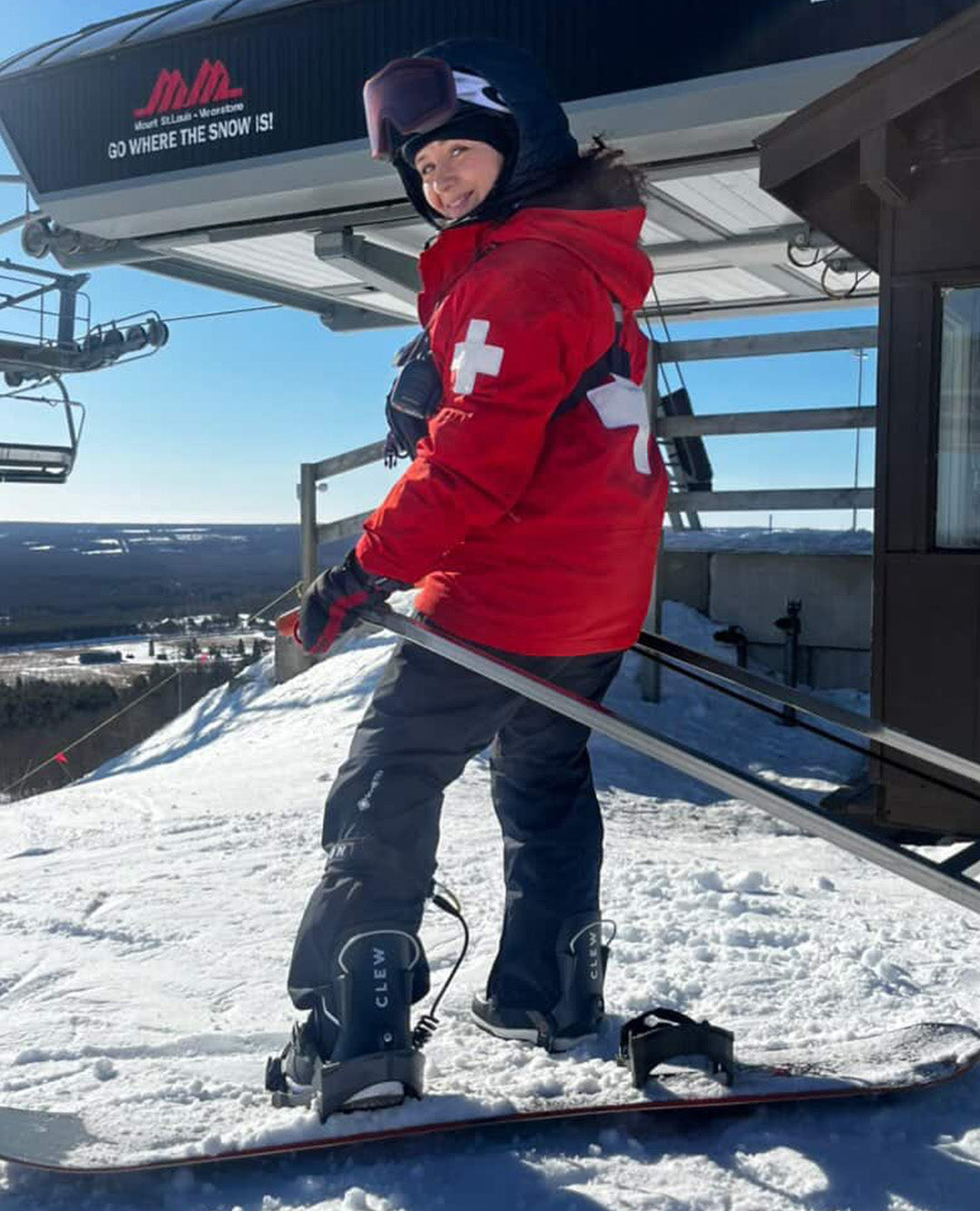
For this inside look, we spoke with experienced ski patroller Carolina Suarez-Pedra from Ontario, who shares what it’s really like: the adrenaline, the challenging rescues, and the realities of the job — and why, in the end, every piece of equipment, every second, and every decision matters.
Can you describe a moment on the mountain when you had to respond to an emergency and the adrenaline really hit you? What was going through your mind as you raced to help?
"In Ontario, most ski patrollers are volunteers. At my resort alone, we’re a roster of about 70 patrollers — nearly 60 of us show up on weekends, unpaid, because we care about keeping people safe. On a busy day, we can respond to anywhere from 50 to 60 calls. Every single one gets the heart pumping, even the “routine” ones.
But one call still stands out.
The radio crackled to life: a collision, witnessed by another patroller who was still on the lift. A large adult and a small child.
It was my first incident involving a kid.
I was at the top of the mountain when the call came in. My brain didn’t even finish processing the details — the only thought I had was: Go.
I dropped in, fast. As I raced downhill, my mind was split in two. One part was already at the scene, bracing for what I might find. The other part stayed laser-focused on the run in front of me — scanning for out-of-control skiers, icy patches, blind rollers — knowing the worst thing I could do was become another patient before I even arrived.
I picked my line.
I planned my approach.
I came in hot, disconnected as fast as I could, and slid into position.
Then training took over.
I dropped the adrenaline, forced my breathing to slow, and started my assessment — blocking out the noise, the crowd, and the weight of the moment. And for those few minutes, everything else on the mountain disappeared.
I won’t leave you in suspense, she was super lucky. Mild leg and head injury – she was smiling by the end of treatment."
What are some challenges or dangers that the public doesn’t realize ski patrols face on a daily basis?
„I hate to sound like the safety police, but one of the biggest dangers patrol faces at our hill is when people ignore safety signs.
Each hill trains and equips their patrol based on the terrain they officially have open and marked. For us, the biggest concern is when guests decide the tight trees between runs are “glade runs.” They’re not. And when someone gets hurt in there, it turns a straightforward rescue into a high-stress, high-risk situation.
Our toboggans can’t fit through tight trees. Backboards can’t be maneuvered in. So now you’ve got a patient who may need full spine stabilization, in terrain that literally doesn’t allow us to use the equipment we’re trained and equipped to use. That means more risk for the injured person, more risk for the patrollers, and a much longer, more complicated rescue.
We’ll always come get you — that’s the job.
But those signs aren’t there to ruin your fun. They’re there because when things go wrong in those spots, they go really wrong.“
How do you decide the best way to reach someone in trouble on the mountain, especially if conditions are tricky or dangerous?
„When conditions are sketchy, we always put our own safety first — not because we’re selfish, but because one rescue is better than two. A patroller can’t become another patient. If we go down, the situation just got worse for everyone.
That said, we’re always looking for the path of least resistance. At our hill, as long as someone hasn’t gone into the trees, getting to the patient is usually straightforward. The real planning happens with transport.
Getting someone down to the base is the tricky part.
We have to factor in:
- Traffic on the hill
- How many patrollers we have available to block or control traffic
- And making sure the route doesn’t have too many flats, which can turn a smooth evacuation into a long, exhausting haul
Every rescue is part first aid, part logistics, and part risk management — all happening on a moving mountain..“
Can you tell me about the most memorable rescue you’ve ever done and what made it stand out?
„This one is equal parts most memorable and most embarrassing.
The rescue that stands out the most was my very first toboggan pull as a certified “driver.” We had a patient who had slid into a snow gun. Another patroller was first on scene and called for transport. I got there without issue, we packaged her up, and everything was going smoothly — except we had limited patrollers available to block traffic.
I started heading down to base, whistle in my mouth, doing my best to alert people around me… but as we all know, sometimes guests are fully in their own world. I got cut off, caught an edge, and the toboggan ended up on top of me.
Not exactly the hero moment I had pictured for my first run.
I was incredibly lucky that two bystanders saw it happen and rushed in to help. Within a couple of minutes, I was back on my board and back in tow like nothing happened — patient safe, pride slightly bruised.
Lesson learned: you can do everything right and still get taken out by traffic on the hill.“
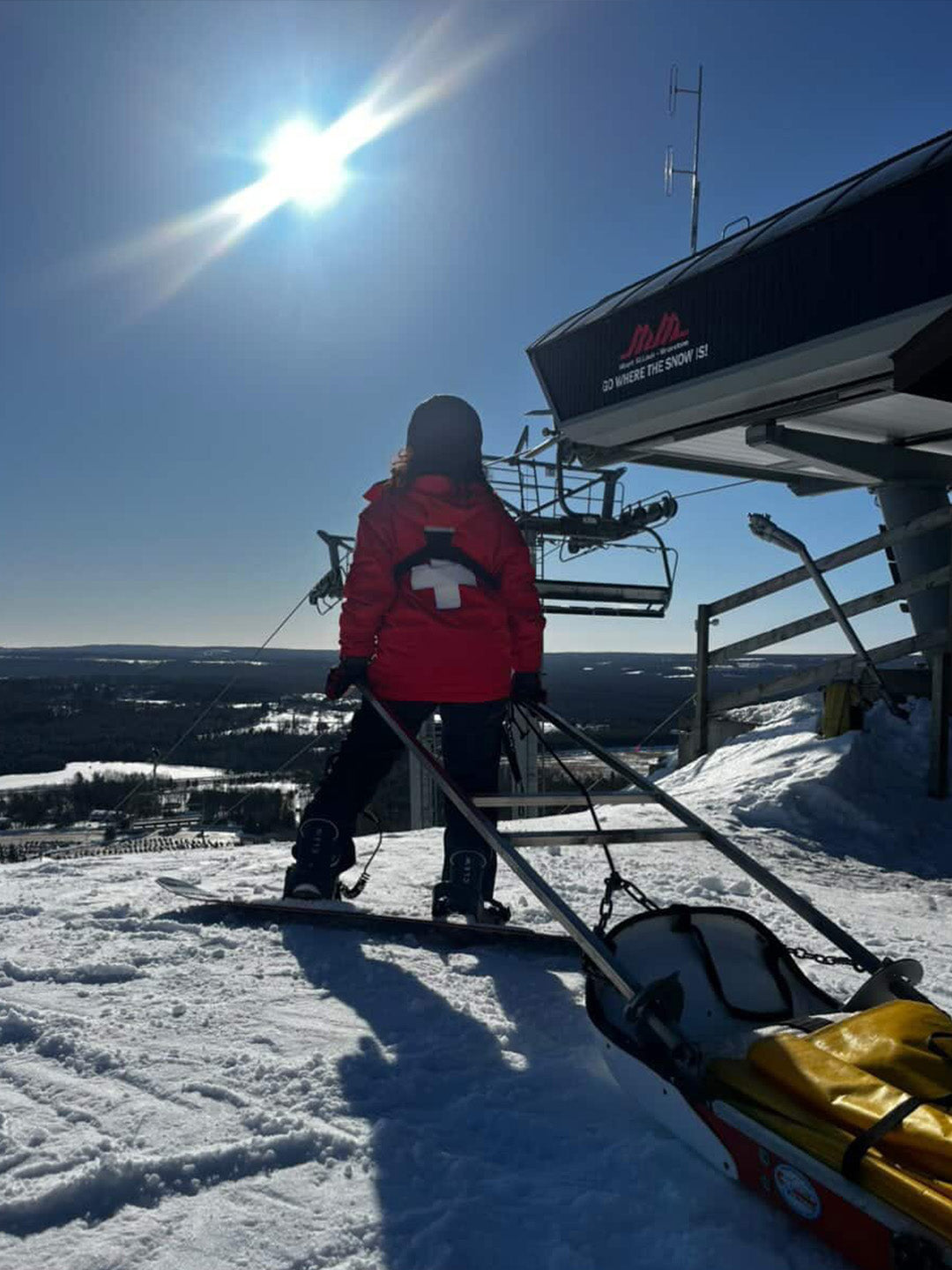
How has the equipment you use—skis, boards, sleds—changed the way you work? If you had a tool that allowed you to be faster or more agile, how would that change your approach?
„Time is everything on a call.
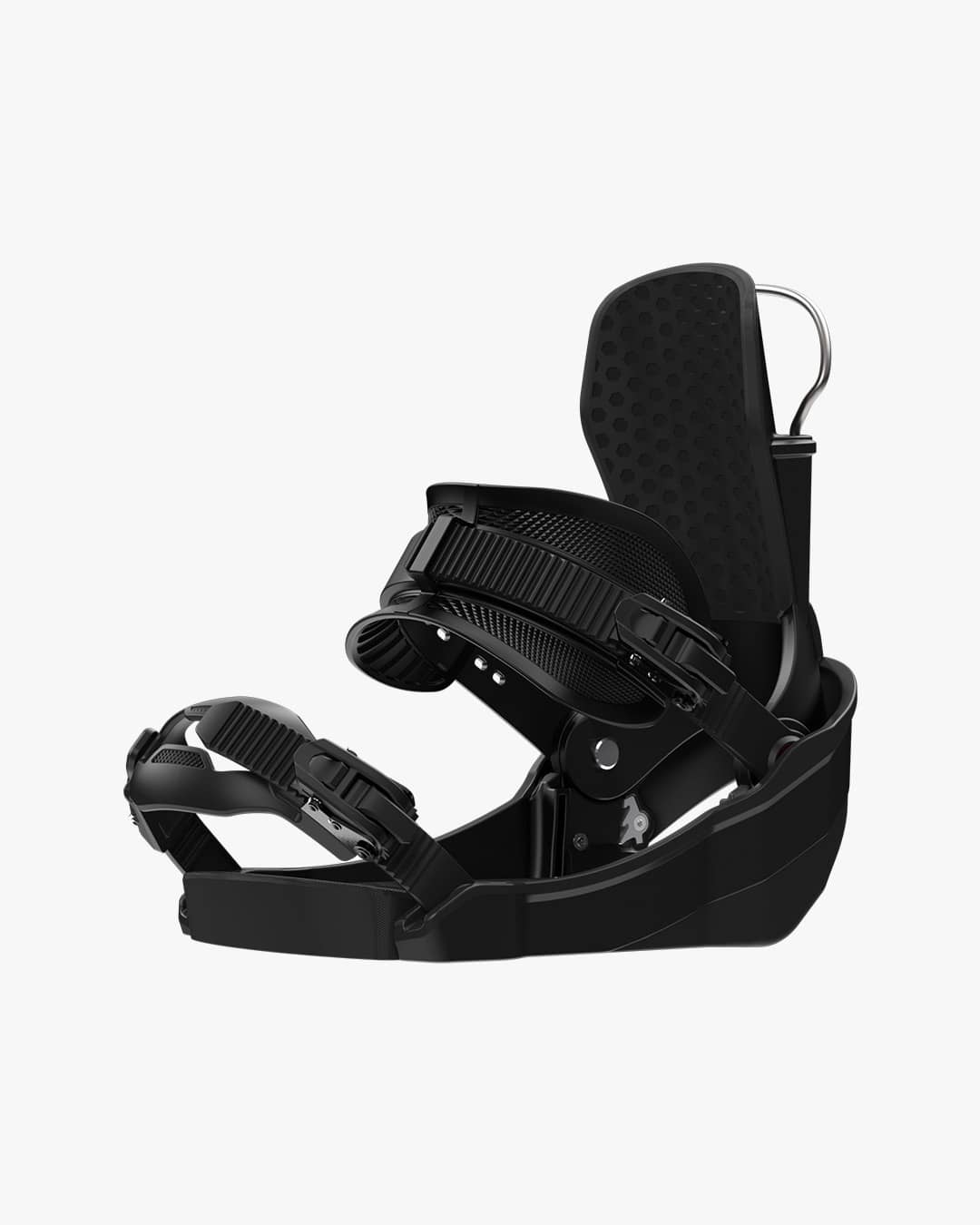
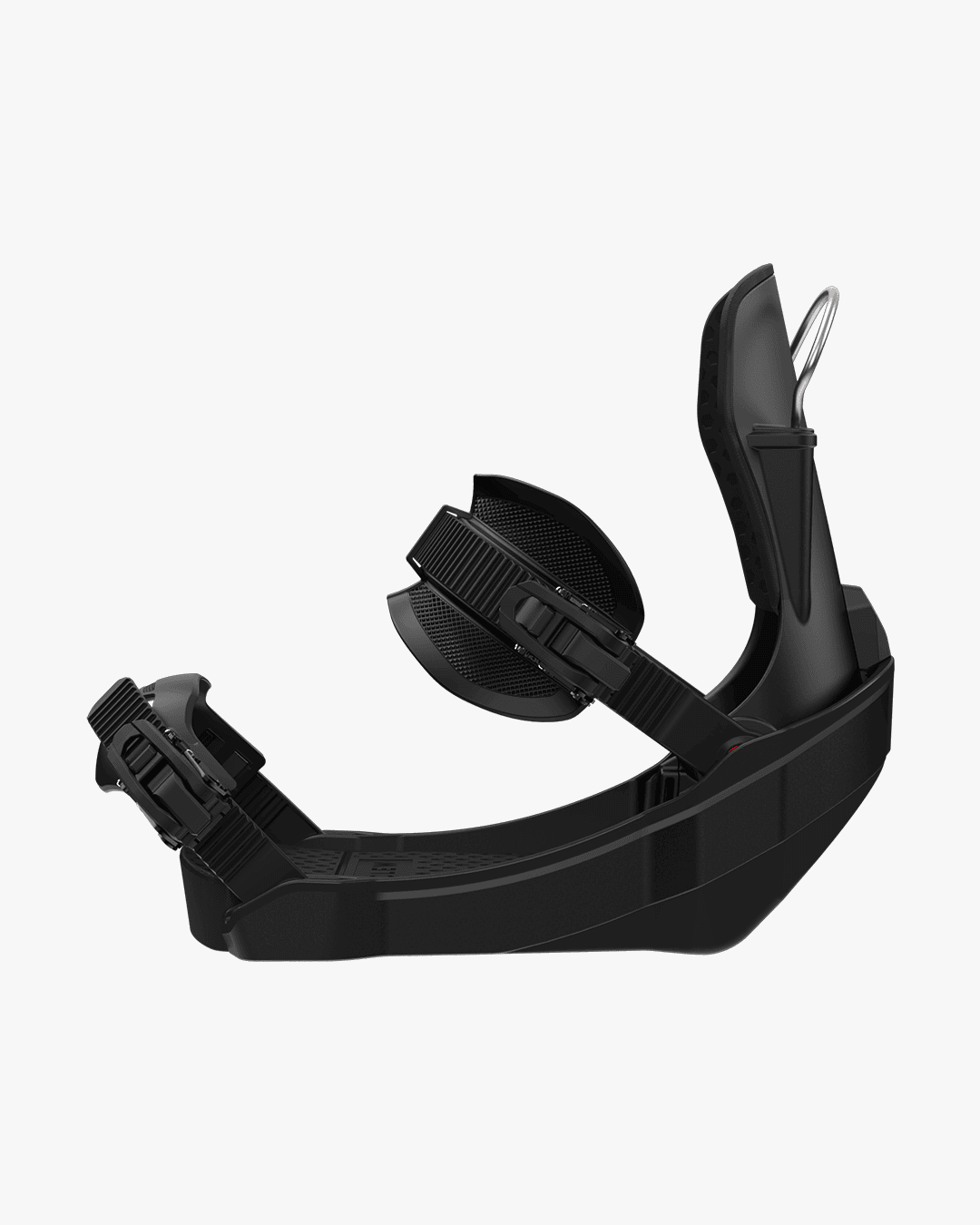
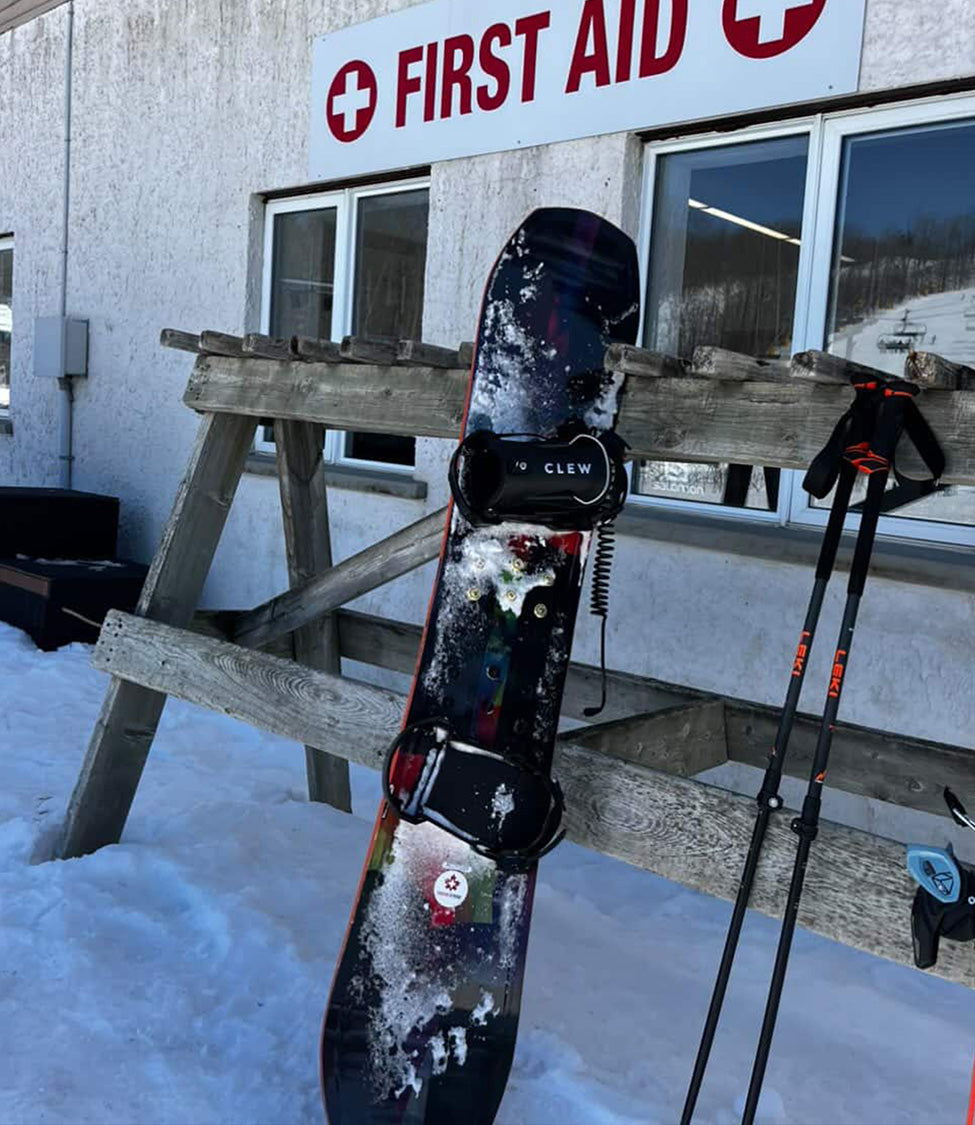
On my hill, I need a board that’s forgiving, stable, fast, and still easy to maneuver. Same goes for bindings — they have to be responsive, but also quick and simple to get in and out of. When it comes to patrolling, I’ve tried pretty much every “quick-entry” binding system out there. CLEWs are hands-down the best for real patrol work. The big difference is that on patrol, you don’t get to choose where you’re strapping in or out. Sometimes you’re lucky and it’s a flat, easy spot. Other times it’s awkward, steep, icy, or in the middle of controlled chaos. That’s where CLEWs actually matter. The system works no matter what the terrain throws at you. No fumbling, no weird angles, no wasted seconds. When time matters — and on patrol it always does — gear that just works is everything.“
How has working as a ski patrol shaped how you see the mountain, snowboarding, or even life in general?
„Working as ski patrol completely changes how you see the mountain. You stop seeing “fun lines” and start seeing risk management. You notice blind rollovers, high-traffic choke points, icy fall lines, terrain traps, and spots where people always crash. The mountain stops being just a playground and starts looking like a living system you have to read and respect every single day. It also changes how you snowboard. You ride more defensively. You plan exits. You think about where you could stop a toboggan, where traffic will stack up, and how you’d get someone out if things went sideways. You still have fun — but it’s a more intentional kind of fun. And honestly… it changes how you see people. You realize how quickly a good day can go bad, how small choices (ignoring a sign, one extra lap when you’re tired, “just one run through the trees”) can have big consequences. It gives you more patience, more empathy, and a lot less tolerance for reckless behaviour that puts others at risk.
Big picture? Patrol teaches you humility. The mountain is always in charge. You can be skilled, trained, prepared — and still get humbled in a second. That carries over into life too: respect your environment, don’t cut corners, look out for your team, and understand that sometimes the bravest move is knowing when to back off.“
Read more
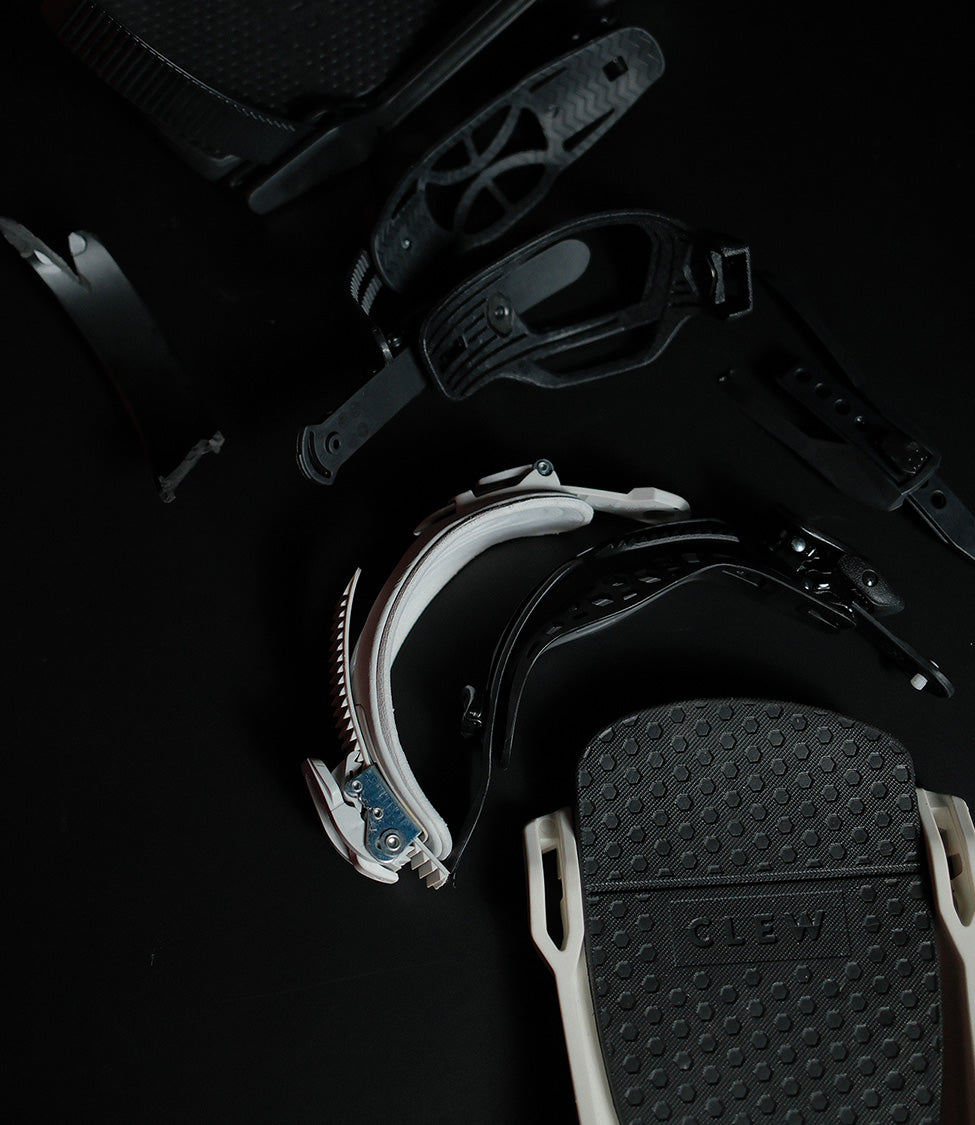
How material innovation defines our bindings A snowboard binding is a highly stressed system of components. During a turn, significant forces act on the system of rider, binding, and board wi...

Federico, one of our CLEW Teamriders, grew up riding in the southernmost corners of Argentina and has since spent time exploring Europe’s iconic resorts. In this interview, he shares his insights o...